
Family Dollar NNN Properties For Sale
Access Quality Triple Net Lease Investments
Below are
Family Dollar NNN Properties for Sale
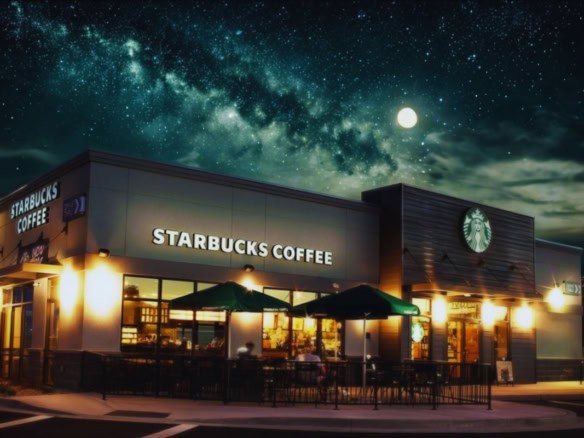
Starbucks
- $2,764,000
Starbucks NNN for Sale in Las Vegas, NV — $2.8M | 5.0% Cap
Las Vegas, Nevada
5.0%
$138,176
7.7 years left
AutoZone
- $2,005,000
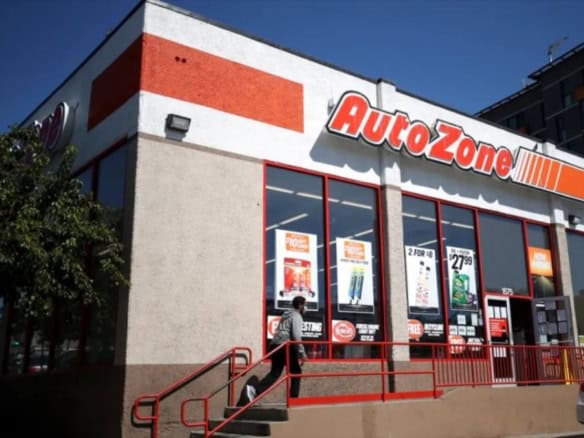
AutoZone NNN for Sale in Homestead, FL — $2.0M | 4.5% Cap
Homestead, Florida
4.5%
$90,200
8.1 years left
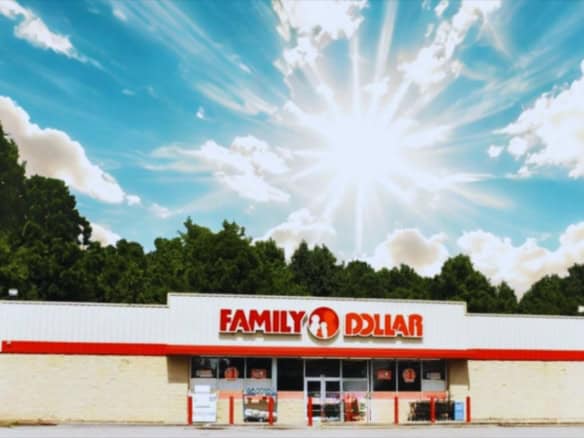
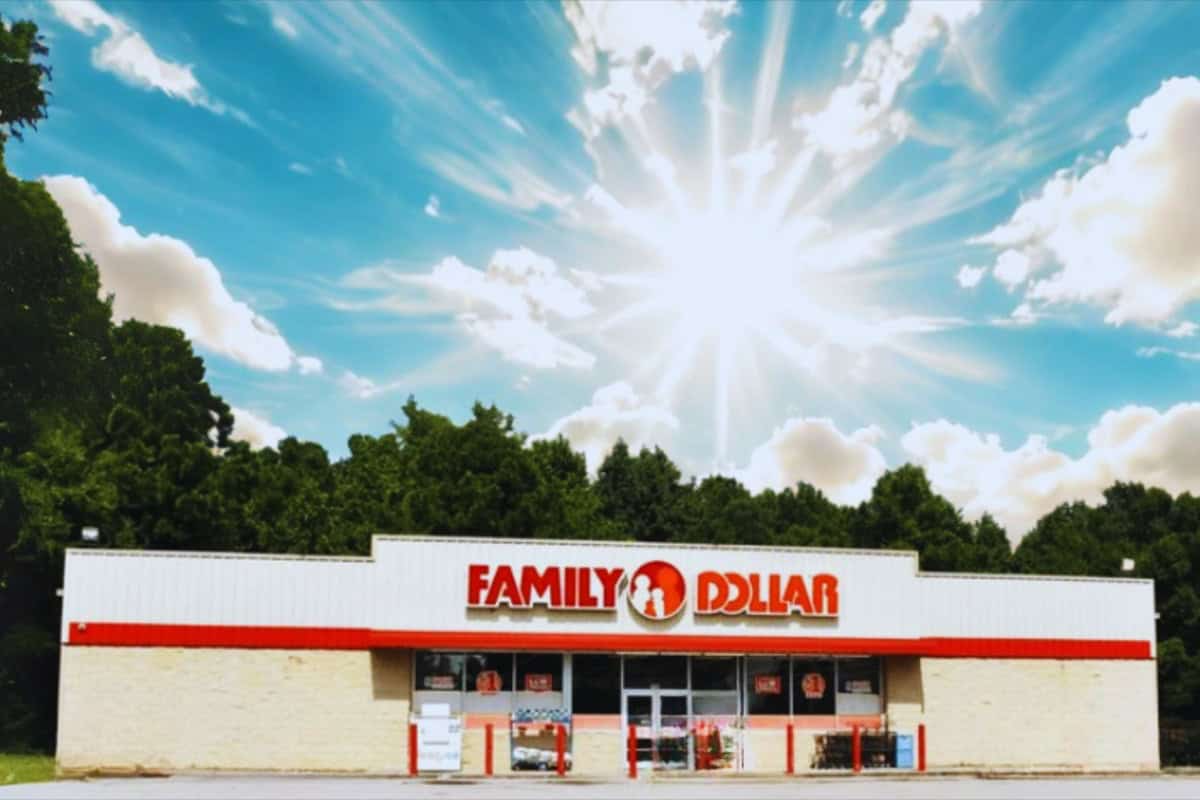
Family Dollar
- $914,664
Family Dollar NNN for Sale in Natchez, MS — $915K | 9.5% Cap
Natchez, Mississippi
9.5%
$86,893
5.4 years left
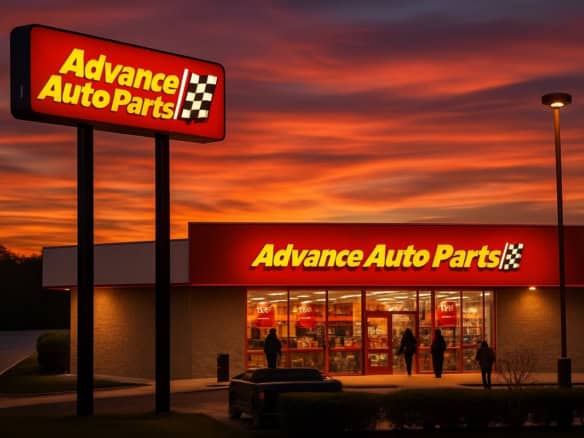
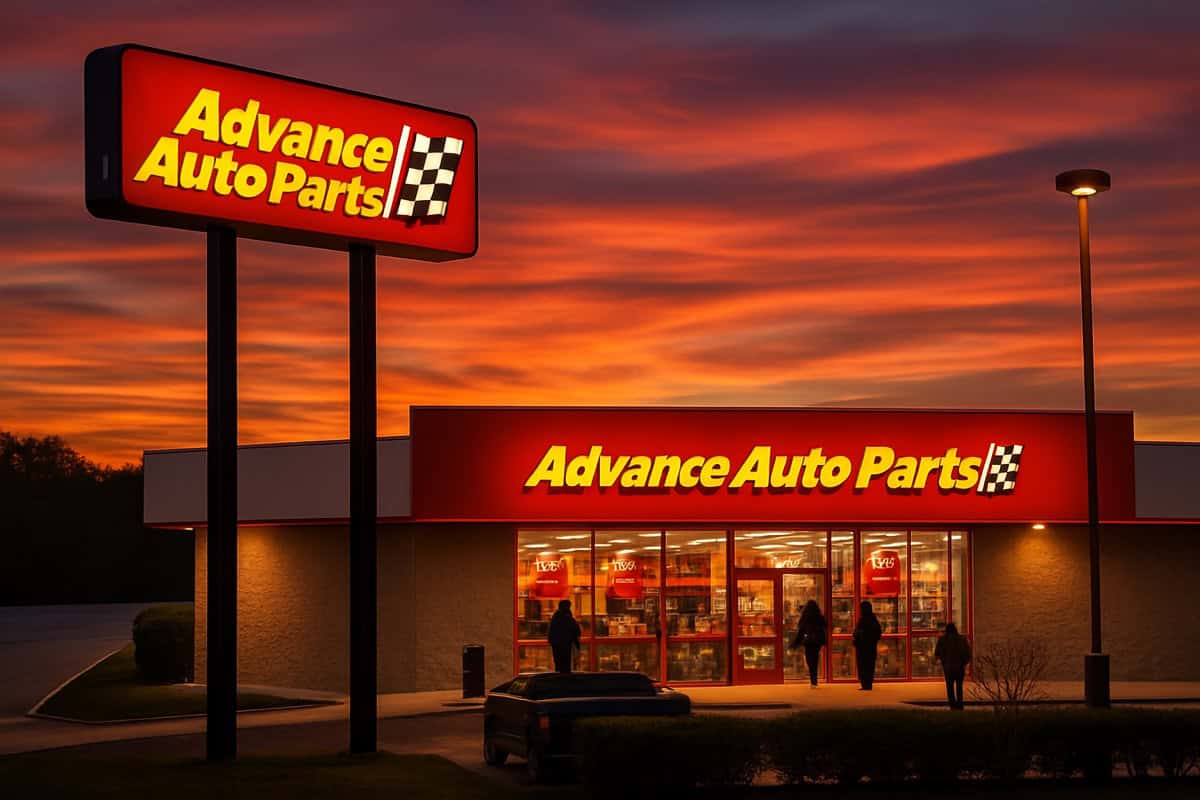
Advance Auto Parts
- $993,243
Advance Auto NNN for Sale in Kalkaska, MI — $993K | 7.4% Cap
Kalkaska, Michigan
7.4%
$73,500
10.8 years left
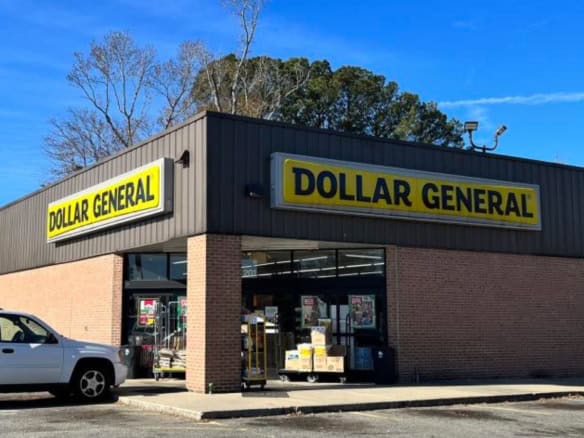
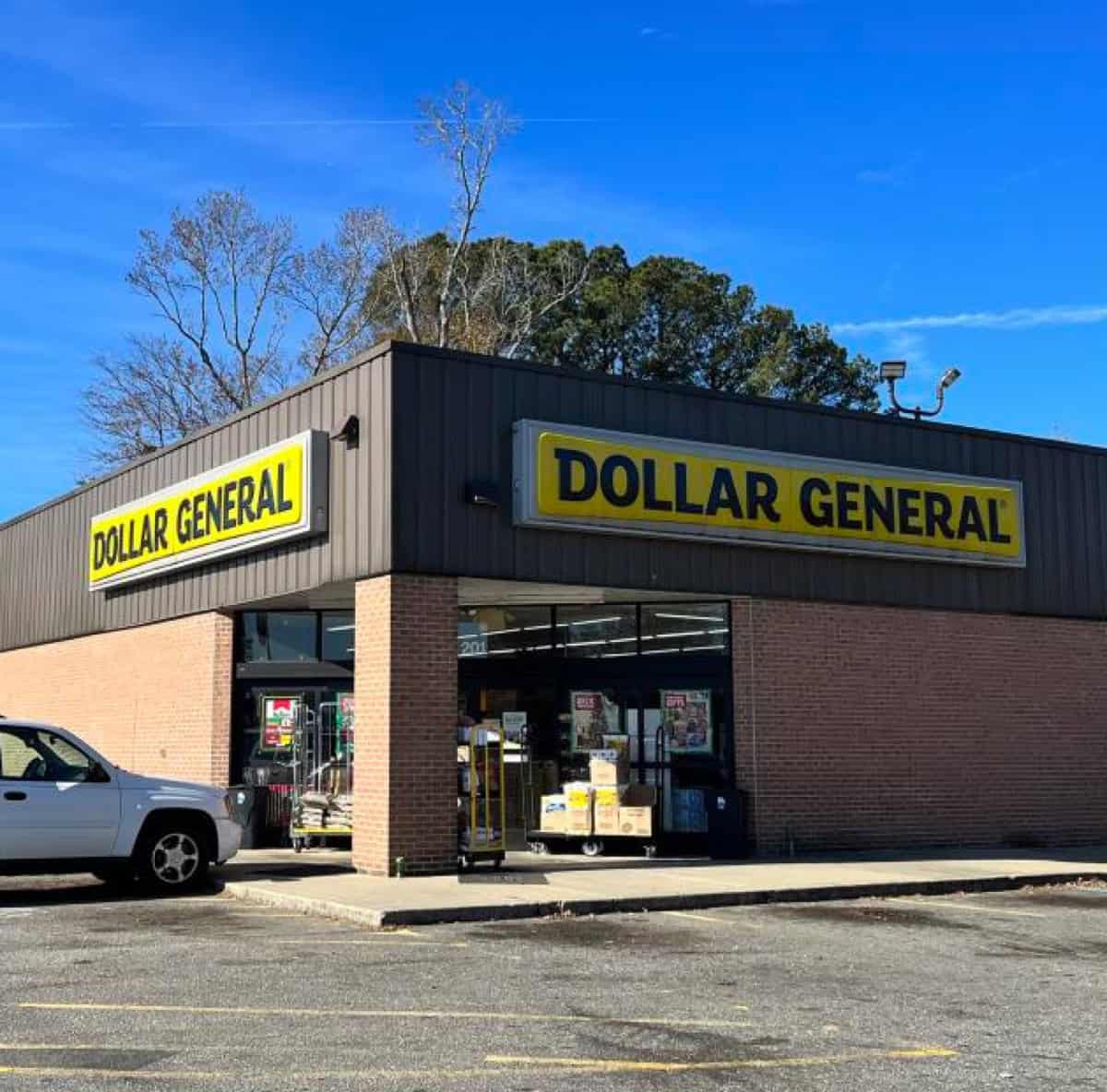
Dollar General
- $1,699,970
Dollar General NNN for Sale in Brodhead, KY — $1.7M | 7.0% Cap
Brodhead, Kentucky
7.0%
$118,998
12.8 years left
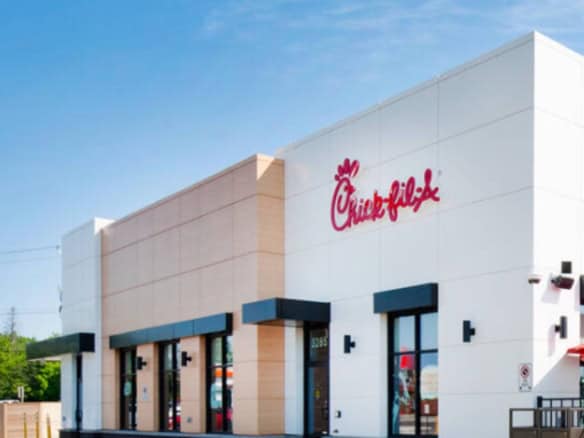
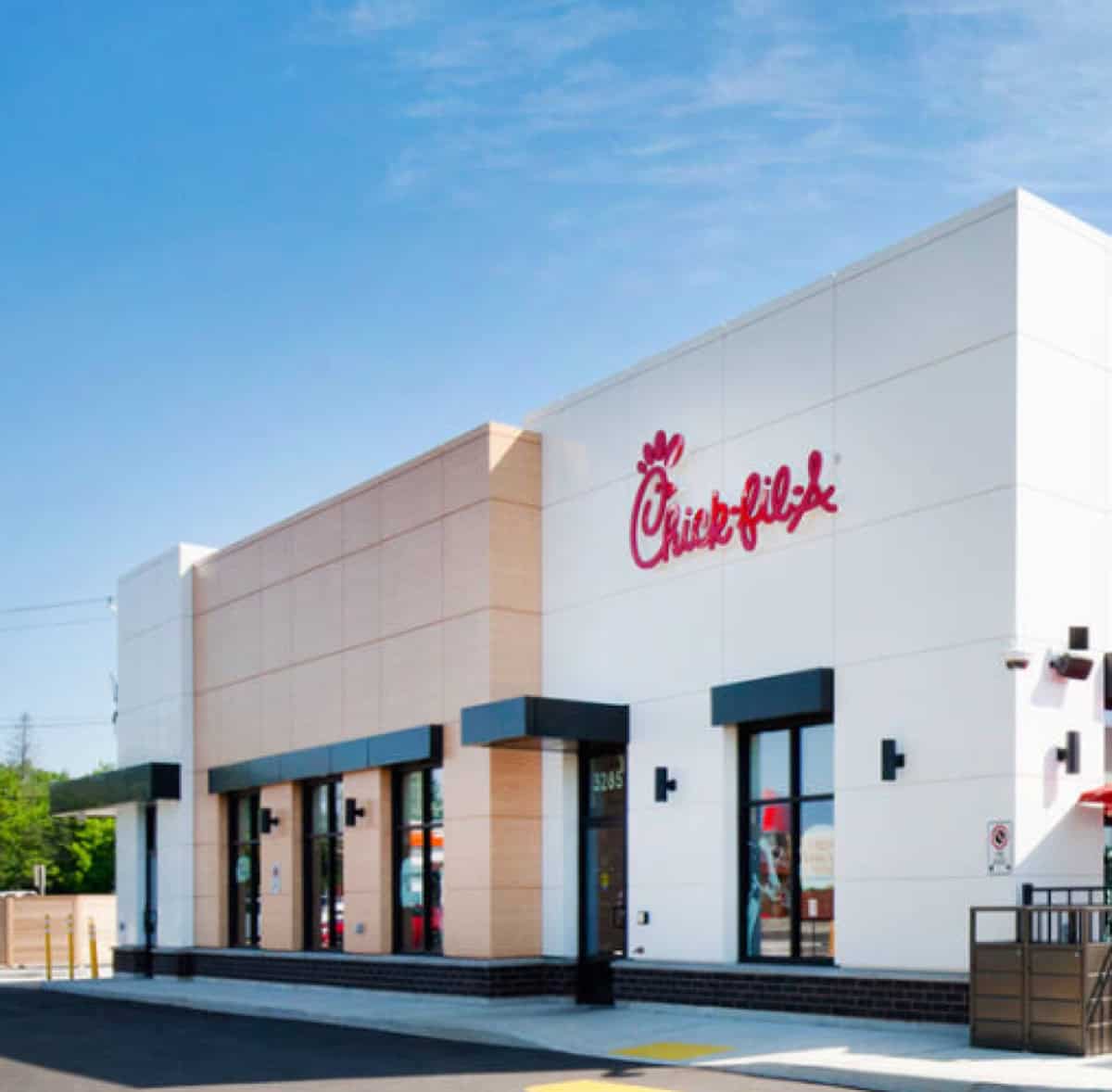
Chick-fil-A
- $5,422,000
Chick-fil-A NNN for Sale in Acworth, GA — $5.4M | 4.15% Cap
Acworth, Georgia
4.15%
$225,000
15.1 years left
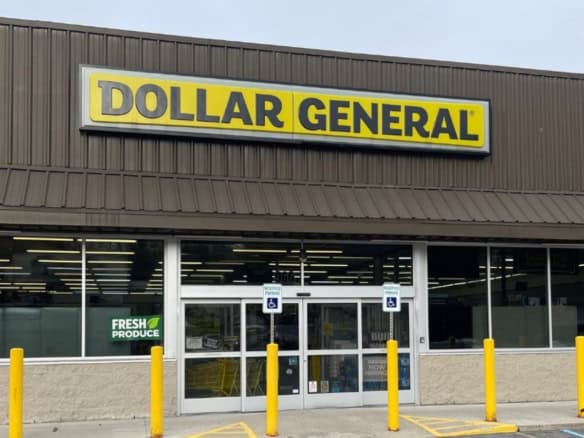
Dollar General
- $2,045,095
Dollar General NNN for Sale in Cygnet, OH — $2.0M | 6.85% Cap
Cygnet, Ohio
6.85%
$140,089
14.1 years left
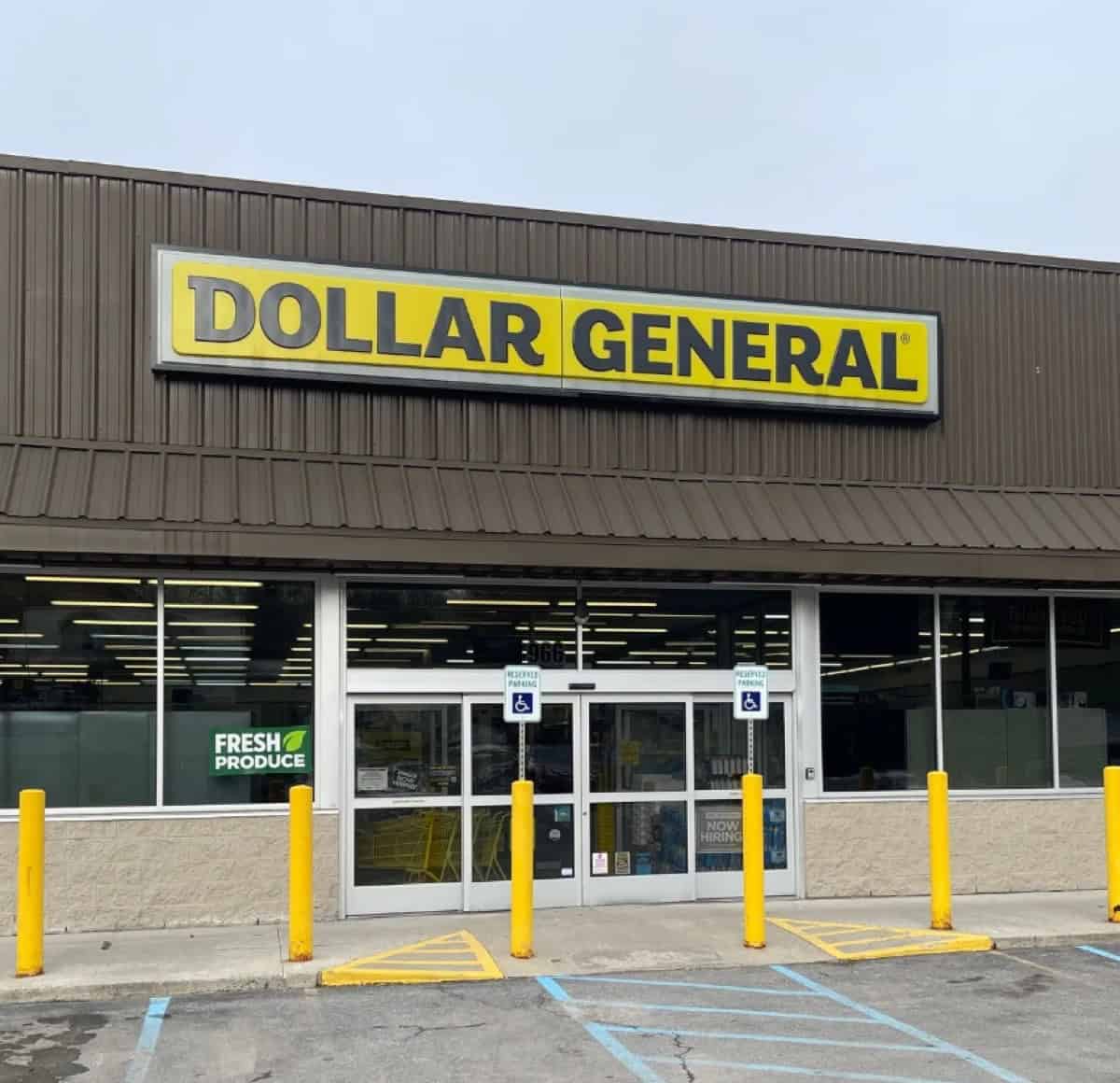
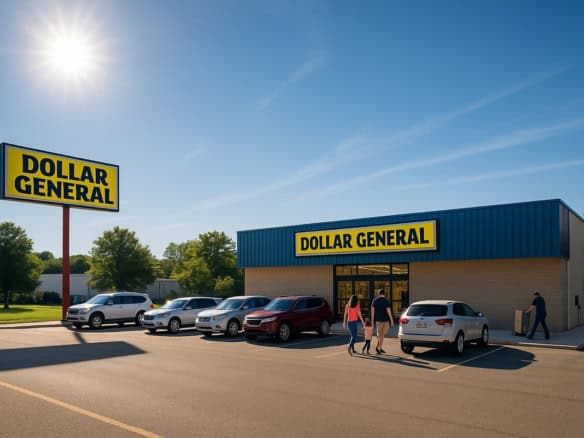
Dollar General
- $2,001,000
Dollar General NNN for Sale in Cullman, AL — $2.0M | 6.8% Cap
Cullman, Alabama
6.8%
$136,068
15.2 years left
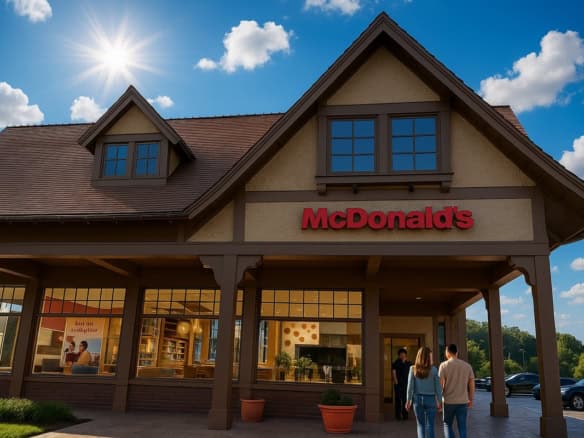
McDonald's
- $2,667,000
McDonald NNN for Sale in San Antonio, TX — $2.7M | 3.75% Cap
San Antonio, Texas
3.75%
$100,000
19.4 years left
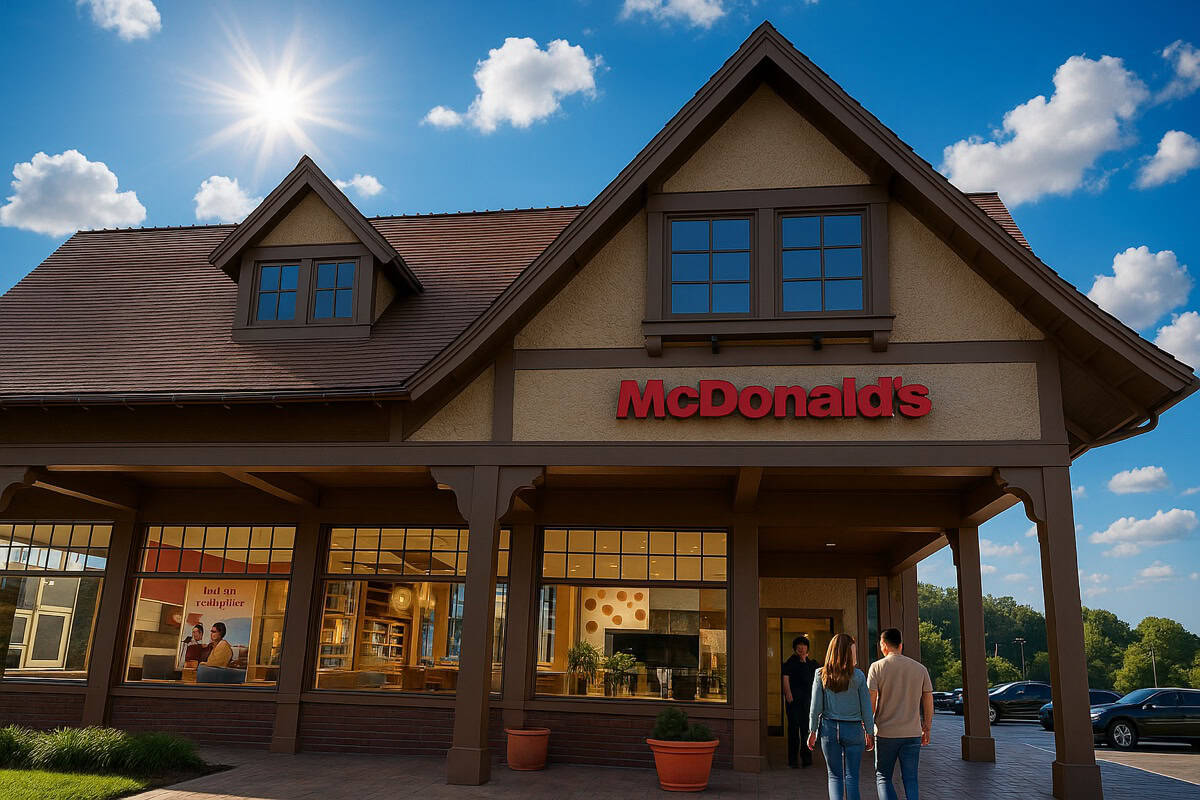
Starbucks
- $3,600,000
Starbucks NNN for Sale in Sacramento, CA — $3.6M | 5.0% Cap
Sacramento, California
5.0%
$180,000
15.1 years left
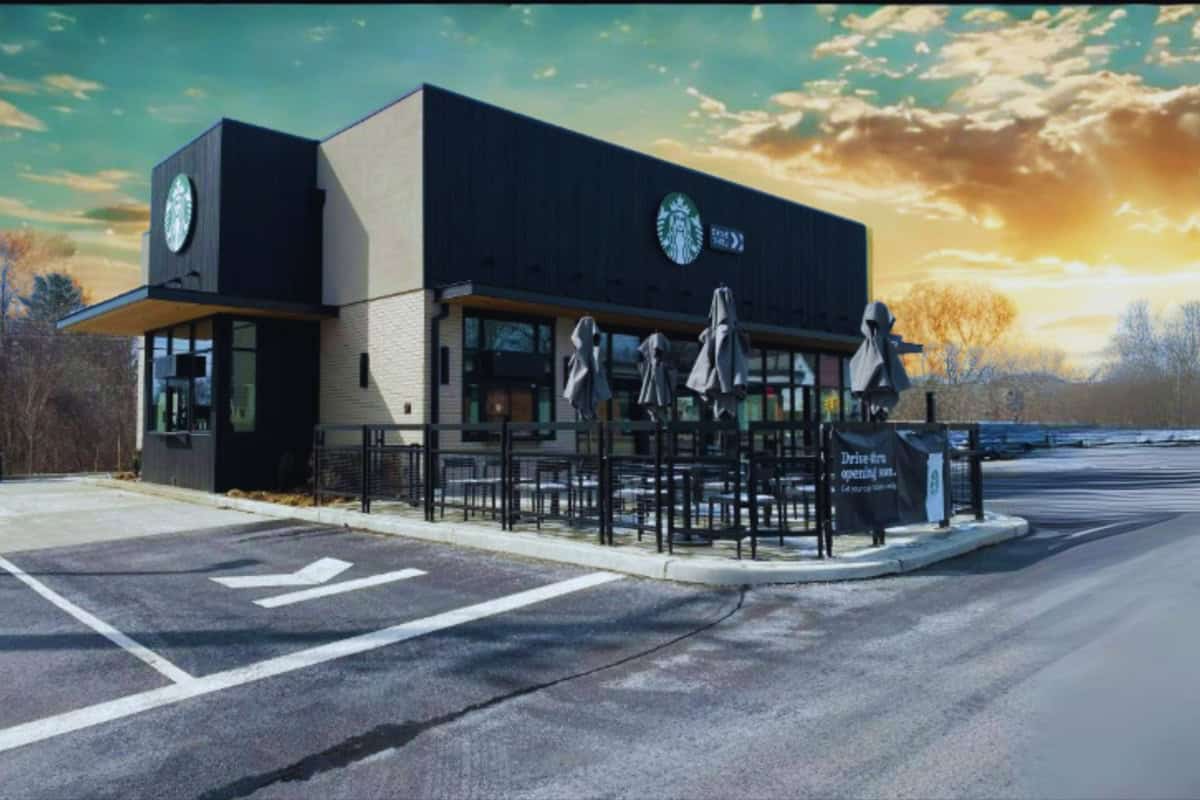
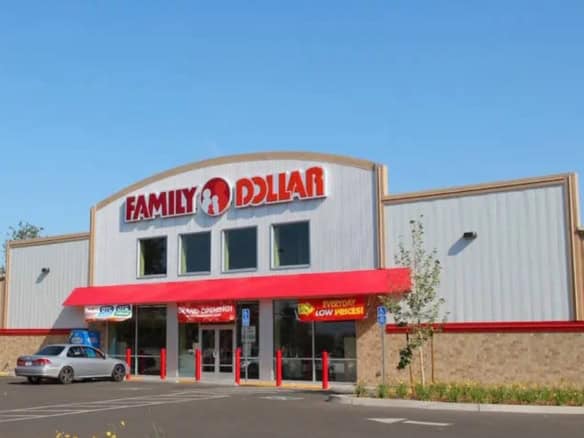
Family Dollar
- $799,945
Family Dollar NNN for Sale in Clay City, KY — $800K | 9.0% Cap
Clay City, Kentucky
9.0%
$71,994
1.4 years left
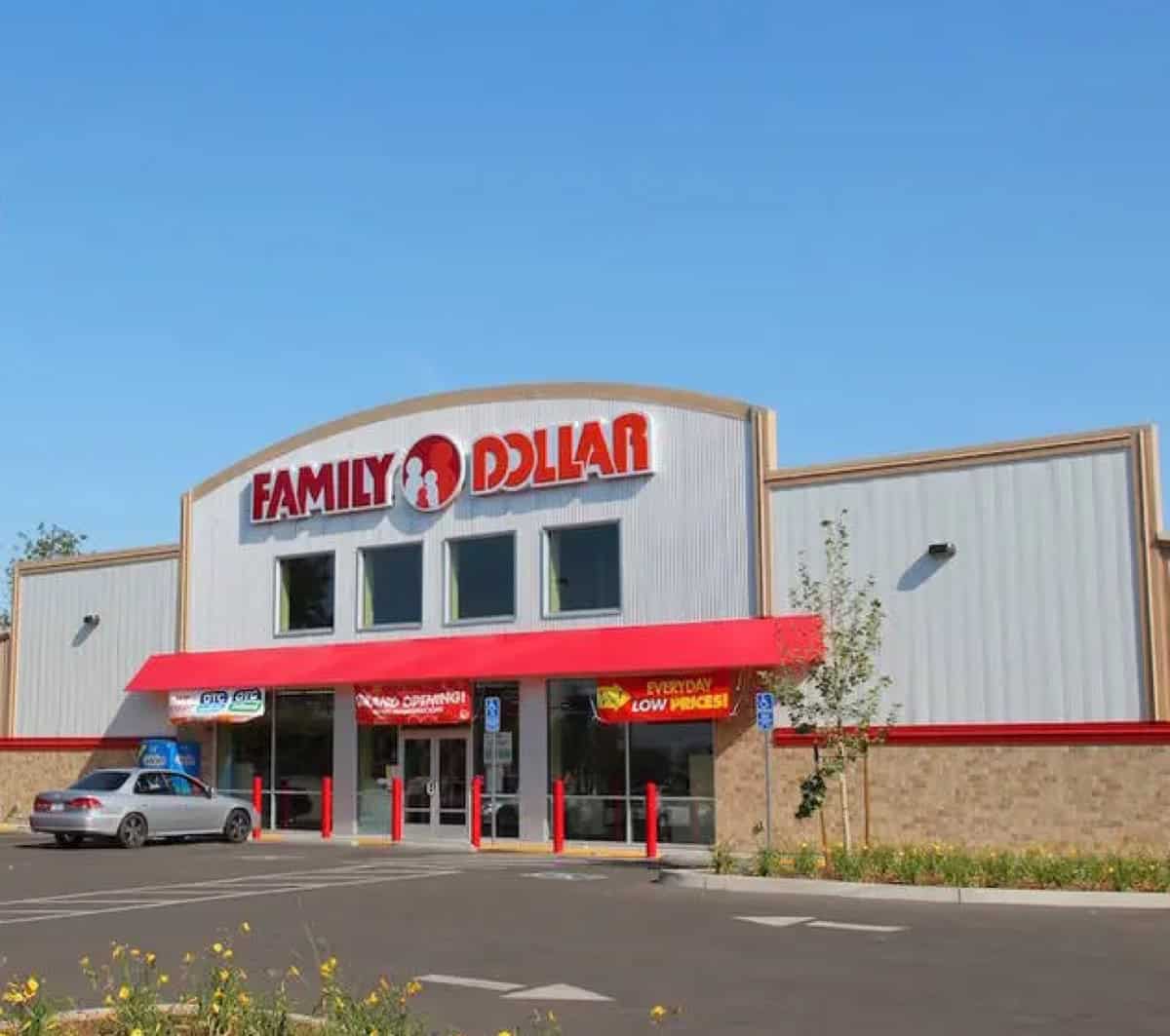
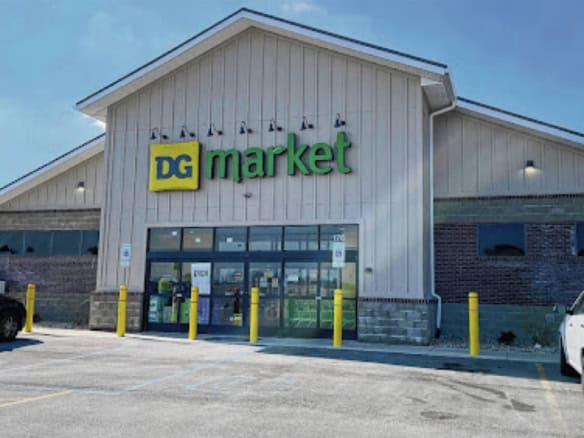
Dollar General
- $1,570,000
Dollar General NNN for Sale in Dallas, TX — $1.6M | 6.0% Cap
Dallas, Texas
6.0%
$94,199
8.2 years left
Starbucks
- $2,764,000
Starbucks NNN for Sale in Las Vegas, NV — $2.8M | 5.0% Cap
Las Vegas, Nevada
5.0%
$138,176
7.7 years left
AutoZone
- $2,005,000
AutoZone NNN for Sale in Homestead, FL — $2.0M | 4.5% Cap
Homestead, Florida
4.5%
$90,200
8.1 years left
Family Dollar
- $914,664
Family Dollar NNN for Sale in Natchez, MS — $915K | 9.5% Cap
Natchez, Mississippi
9.5%
$86,893
5.4 years left
Advance Auto Parts
- $993,243
Advance Auto NNN for Sale in Kalkaska, MI — $993K | 7.4% Cap
Kalkaska, Michigan
7.4%
$73,500
10.8 years left
Dollar General
- $1,699,970
Dollar General NNN for Sale in Brodhead, KY — $1.7M | 7.0% Cap
Brodhead, Kentucky
7.0%
$118,998
12.8 years left
Chick-fil-A
- $5,422,000
Chick-fil-A NNN for Sale in Acworth, GA — $5.4M | 4.15% Cap
Acworth, Georgia
4.15%
$225,000
15.1 years left
Dollar General
- $2,045,095
Dollar General NNN for Sale in Cygnet, OH — $2.0M | 6.85% Cap
Cygnet, Ohio
6.85%
$140,089
14.1 years left
Dollar General
- $2,001,000
Dollar General NNN for Sale in Cullman, AL — $2.0M | 6.8% Cap
Cullman, Alabama
6.8%
$136,068
15.2 years left
McDonald's
- $2,667,000
McDonald NNN for Sale in San Antonio, TX — $2.7M | 3.75% Cap
San Antonio, Texas
3.75%
$100,000
19.4 years left
Starbucks
- $3,600,000
Starbucks NNN for Sale in Sacramento, CA — $3.6M | 5.0% Cap
Sacramento, California
5.0%
$180,000
15.1 years left
Family Dollar
- $799,945
Family Dollar NNN for Sale in Clay City, KY — $800K | 9.0% Cap
Clay City, Kentucky
9.0%
$71,994
1.4 years left
Dollar General
- $1,570,000
Dollar General NNN for Sale in Dallas, TX — $1.6M | 6.0% Cap
Dallas, Texas
6.0%
$94,199
8.2 years left
Family Dollar NNN Properties for Sale — Value Retail Triple Net Lease Investments
Family Dollar NNN properties offer passive income investors the powerful combination of BBB investment-grade credit rating (S&P stable outlook, Dollar Tree Inc. parent company $31B revenue), recession-resistant value retail positioning ($10 average transaction, essential goods during economic downturns), 8,000+ nationwide locations (urban, rural, underserved markets creating geographic diversification), 15-20 year absolute NNN leases (tenant pays all expenses including roof/structure), and 7.0-8.0% cap rates (superior yields versus grocery/pharmacy reflecting value retail dynamics) creating exceptional conditions for long-term triple net lease cash flow in America’s neighborhood dollar store with sustained low-income consumer demand.

American Net Lease specializes in Family Dollar NNN investments across urban corridors, small-town markets, and underserved communities nationwide. Browse current listings or call 239.236.2626 to discuss exclusive Family Dollar opportunities.
Why Invest in Family Dollar NNN Properties?
Family Dollar combines investment-grade credit (Dollar Tree Inc. parent BBB rating) with recession-resistant value retail fundamentals—$10 average transaction appeals to budget-conscious consumers, essential goods (food, household, health/beauty) create frequent trips, 8,000+ locations serve underserved urban/rural markets where Walmart/Target absent, 15-20 year NNN leases provide predictable cash flow, and Dollar Tree ownership (acquired 2015, $31B combined revenue) ensures parent company financial strength making Family Dollar NNN properties ideal for yield-focused investors seeking stable passive income with essential retail positioning.
1. BBB Investment-Grade Credit — Dollar Tree Inc. Parent Company
Family Dollar operates under Dollar Tree Inc. parent company (acquired 2015 for $9B creating combined $31B revenue enterprise), maintaining BBB investment-grade credit rating from S&P (stable outlook, mid-tier investment-grade), backed by 8,000+ Family Dollar locations plus 8,000+ Dollar Tree stores (16,000+ total footprint), Fortune 500 #123 ranking (larger than AutoZone, O’Reilly), and consistent profitability ($2.1B operating income 2024) providing lender confidence and institutional investor appeal for NNN financing.
Dollar Tree Inc. financial metrics (2024):
- Combined revenue: $31B (Fortune 500 #123, larger than most retailers)
- Operating income: $2.1B (7% operating margins, profitable)
- Store count: 16,000+ total (8,000 Family Dollar, 8,000 Dollar Tree)
- Market cap: $25B+ (publicly traded NASDAQ: DLTR)
- Same-store sales: +2-4% annually (modest growth, stable)
Credit rating significance:
- BBB investment-grade: Lender-friendly (70-75% LTV typical)
- S&P stable outlook: No downgrade risk near-term
- Public company: Financial transparency (10-K/10-Q filings)
- Fortune 500 #123: Institutional recognition (higher than AutoZone #274)
Dollar Tree acquisition (2015):
- Purchase price: $9B cash-and-stock (Family Dollar acquired by Dollar Tree)
- Combined entity: 16,000+ stores (immediate scale)
- Synergies: $300M annual cost savings (distribution, purchasing)
- Parent guarantee: Dollar Tree Inc. backs Family Dollar leases
Investment thesis: Family Dollar’s BBB credit via Dollar Tree parent provides institutional-quality tenant—despite value retail perception, investment-grade rating enables competitive financing.
2. Recession-Resistant Value Retail — $10 Average Transaction
Family Dollar thrives during economic downturns due to value retail positioning: $10 average transaction (vs $30-$50 grocery stores), essential goods focus (food 25% sales, household 30%, health/beauty 20%), trade-down consumers (middle-class shoppers downgrade from Walmart/Target during recessions), and frequent trip model (customers visit 2-3x weekly for fill-in needs) creating counter-cyclical demand where recessions actually increase Family Dollar traffic as consumers seek savings.
Value retail fundamentals:
- Average transaction: $10 (extremely affordable, recession-proof)
- Basket size: 5-7 items typical (quick fill-in trips, not stock-up)
- Trip frequency: 2-3x weekly (high-frequency, habitual)
- Customer demographics: Households earning <$40K annually (70% customer base)
Product mix (recession-resistant):
- Consumables: 75% of sales (food, household, health/beauty)
- Food/beverage: 25% (snacks, canned goods, frozen, refrigerated)
- Household: 30% (cleaning, paper products, laundry)
- Health/beauty: 20% (toiletries, OTC medicine, cosmetics)
- Seasonal/discretionary: 25% (toys, home décor, apparel)
Why $10 transaction = recession-resistant:
- Affordable impulse: $10 purchase doesn’t require budgeting (consumers can afford)
- Essential goods: Food, household, health/beauty are non-discretionary
- Trade-down destination: Middle-class shoppers downgrade from Walmart ($50 trip) to Family Dollar ($10 trip)
- Frequency sustains: Even in recession, consumers need toilet paper, cleaning supplies, food
Recession performance (historical):
- 2008-2009 recession: Dollar stores +8-12% sales (trade-down traffic surge)
- 2020 COVID-19: Family Dollar deemed essential retail, sales +5%
- 2024 inflation: Family Dollar benefits from price-conscious consumers
Trade-down phenomenon:
- Economic boom: Consumers shop Walmart, Target, grocery stores
- Economic downturn: Consumers trade down to Family Dollar, Dollar General, Dollar Tree
- Permanent shift: Some trade-down customers never return to higher-price stores
Investment thesis: Family Dollar’s $10 average transaction insulates against recession—consumers can always afford $10 for essentials, ensuring sustained sales supporting rent payments.
3. 8,000+ Locations — Urban + Rural Underserved Markets
Family Dollar operates 8,000+ US locations (plus Dollar Tree parent’s 8,000 = 16,000+ combined footprint) with urban concentration (inner-city neighborhoods, food deserts where grocery stores absent), small-town rural penetration (towns 2,000-10,000 population where Walmart 20+ miles away), and underserved demographics (low-income communities, Hispanic/African American neighborhoods) creating NNN investment opportunities in markets traditional retailers avoid with minimal competition and essential retail positioning.
Family Dollar footprint:
- Total US stores: 8,000+ Family Dollar (16,000+ combined with Dollar Tree)
- Store format: 8,000-12,000 sq ft (smaller than Dollar General 7,500 sq ft typical)
- Urban focus: 60% urban/suburban, 40% rural (vs Dollar General 75% rural)
- New openings: 400+ annually (expansion continues despite competition)
Urban market strategy:
- Inner-city neighborhoods: Family Dollar serves food deserts (grocery stores fled)
- Public transit accessible: Locations near bus stops, metro stations (carless consumers)
- WIC/SNAP friendly: Accepts government assistance (low-income customers)
- Security concerns: Urban stores require higher security (impacts profitability slightly)
Rural market strategy:
- Small towns: 2,000-10,000 population (Walmart 20+ miles away)
- Essential retail: Only retailer in town for miles (monopolistic positioning)
- Lower theft: Rural stores have less shrinkage than urban
- Stable customer base: Repeat local customers (community loyalty)
Geographic concentration (top states):
- Texas: 1,000+ Family Dollar stores (largest state)
- Florida: 700+ stores (second-largest)
- North Carolina: 600+ stores (headquarters Charlotte)
- Georgia: 500+ stores (Southeast concentration)
- Tennessee: 400+ stores (rural Appalachia)
Competitive positioning:
- Family Dollar: Urban focus, 8,000-12,000 sq ft, $10 average transaction
- Dollar General: Rural focus, 7,500 sq ft, $12 average transaction, 20,000+ stores (#1)
- Dollar Tree: Suburban, everything $1.25, 8,000 stores, same parent as Family Dollar
Investment thesis: Family Dollar’s 8,000+ locations in underserved markets provide geographic diversification—urban + rural + underserved demographics create recession-resistant consumer base.
4. 15-20 Year NNN Leases — Absolute Tenant Responsibility

Family Dollar typically signs 15-20 year initial terms (18 years most common for new builds) with absolute NNN structure (tenant pays property taxes, insurance, maintenance, roof, HVAC, parking lot), 1.5-2% annual rent escalations (10% every 5 years alternatives), corporate guarantee (Dollar Tree Inc. parent company backing), and minimal renewal options (1-2 five-year renewals, 25-30 year total potential) providing investors with predictable cash flow and zero landlord management burden.
Standard Family Dollar lease terms:
- Initial term: 15-20 years (18 years typical new construction)
- Lease type: Absolute NNN (tenant pays ALL including roof/structure)
- Rent escalations: 1.5-2% annually OR 10% every 5 years
- Renewal options: 1-2 five-year renewals (25-30 year total potential)
- Corporate guarantee: Dollar Tree Inc. parent company (BBB credit backing)
Absolute NNN = zero landlord costs:
- Property taxes: Tenant pays (landlord collects rent only)
- Insurance: Tenant pays (building, liability, all coverage)
- Maintenance: Tenant pays (roof, HVAC, parking lot, landscaping)
- Structural: Tenant pays (foundation, major repairs)
- Utilities: Tenant pays (electric, water, gas, trash)
Rent escalation examples:
- Annual 1.5%: $100K base → $127K year 15 (27% increase)
- Annual 2%: $100K base → $135K year 15 (35% increase)
- 10% every 5 years: $100K → $110K → $121K → $133K (33% over 15 years)
Corporate guarantee strength:
- Dollar Tree Inc. backing: $31B revenue parent (not individual franchise)
- BBB credit applies: Investment-grade guarantee (lender confidence)
- Lease survives closure: If Family Dollar closes store, Dollar Tree still pays rent (lease obligation)
Renewal probability:
- Lower than Dollar General: Family Dollar renews 70-80% (vs DG 90%+)
- Store closures: Dollar Tree closing underperforming Family Dollar stores (500+ closed 2022-2024)
- Risk mitigation: Invest in strong demographics only (avoid marginal stores)
Investment thesis: Family Dollar 15-20 year NNN leases provide income stability, but lower renewal rates (70-80%) require careful underwriting of store performance and demographics.
5. 7.0-8.0% Cap Rates — Superior Yields vs Grocery/Pharmacy
Family Dollar NNN properties typically trade at 7.0-8.0% cap rates (depending on location, demographics, store performance), providing superior yields versus pharmacy (5.5-6.5% Walgreens), grocery (5.5-6.5% Kroger), and QSR (5.5-6.5% Chick-fil-A) reflecting value retail risk profile, lower renewal rates (70-80% vs 90%+), and Dollar Tree parent restructuring (store closures 500+ recent years) creating attractive NNN investment opportunities for yield-focused investors accepting higher tenant risk.
Cap rate ranges by market:
- Strong urban: 7.0-7.5% (dense population, high traffic, newer stores)
- Secondary markets: 7.5-8.0% (regional cities, moderate demographics)
- Rural/weak demographics: 8.0-8.5% (small towns, lower incomes, older stores)
- Underperforming stores: 8.5-9.0% (closure risk, distressed pricing)
Comparison to other NNN tenants:
| Tenant | Cap Rate | Credit | Renewal Rate | Recession-Resistant? |
|---|---|---|---|---|
| Family Dollar | 7.0-8.0% | BBB | 70-80% | Yes (value retail) |
| Dollar General | 7.0-8.0% | BBB | 90%+ | Yes (value retail) |
| Dollar Tree | 6.5-7.5% | BBB (same parent) | 85-90% | Yes ($1.25 everything) |
| Walgreens | 5.5-6.5% | BBB | 95%+ | Yes (pharmacy) |
| CVS | 5.5-6.5% | BBB | 95%+ | Yes (pharmacy) |
Why Family Dollar trades higher cap rates:
- Lower renewal rate: 70-80% (vs Dollar General 90%+, Walgreens 95%+)
- Store closures: Dollar Tree closing underperformers (500+ closed 2022-2024)
- Urban challenges: Theft/shrinkage in urban stores (profitability pressure)
- Competition: Dollar General 20,000+ stores (3x Family Dollar size, saturation)
Why Family Dollar offers value:
- Same BBB credit: Investment-grade like Walgreens/CVS (higher yields, same credit tier)
- Recession-resistant: Value retail thrives in downturns (trade-down traffic)
- Parent company strength: Dollar Tree $31B revenue (Fortune 500 #123)
- Yield spread: +1.5-2% higher cap than pharmacy (meaningful income difference)
Investor profile attracted to Family Dollar:
- Yield-focused: Seeking 7-8% cash-on-cash (willing to accept tenant risk)
- Value investors: Comfortable with lower renewal rates if demographics strong
- Recession-hedgers: Believe economic downturn coming (value retail benefits)
- Underserved market specialists: Understand urban/rural dynamics
Investment thesis: Family Dollar 7.0-8.0% cap rates offer superior yields vs pharmacy/grocery—accept slightly higher tenant risk (lower renewals, closures) in exchange for 1.5-2% additional annual cash flow.
6. Recession Hedge — Trade-Down Consumer Behavior
Family Dollar serves as recession hedge because economic downturns drive trade-down behavior: middle-class consumers ($50K-$80K income) reduce spending at Walmart/Target/grocery stores and shift to dollar stores for basics, low-income consumers ($20K-$40K) maintain shopping habits (already price-sensitive, no lower to trade), and essential goods focus (75% consumables) ensures sustained traffic regardless of discretionary spending collapse creating counter-cyclical tenant performance.
Trade-down mechanics:
- Economic boom: Middle-class shops Walmart ($50 basket), Target ($60 basket)
- Economic downturn: Middle-class trades down to Family Dollar ($10 basket) to save
- Net effect: Family Dollar gains new customers during recession
Consumer segmentation:
- Core customers (70% sales): Households <$40K income (always shop dollar stores)
- Trade-down customers (30% sales): Households $40K-$80K income (shop during downturns)
- Recession impact: Core customers stable, trade-down customers surge
Historical recession performance:
- 2008-2009: Dollar stores +8-12% same-store sales (trade-down surge)
- 2020 COVID: Family Dollar +5% (essential retail, stimulus checks)
- 2024 inflation: Family Dollar traffic +3% (consumers seek value)
Product mix advantage:
- 75% consumables: Food, household, health/beauty (non-discretionary, must-buy)
- 25% discretionary: Seasonal, toys, apparel (decline in recession, but small impact)
- Frequency: 2-3 trips weekly (habitual, maintains traffic)
Why trade-down is permanent (partially):
- Habit formation: Consumers discover Family Dollar during recession
- Quality acceptable: Name brands available (Tide, Coke, Dove) at lower prices
- Convenience: Neighborhood locations closer than Walmart (gas savings)
- Sticky behavior: 20-30% of trade-down customers stay post-recession
Investment thesis: Family Dollar is legitimate recession hedge—trade-down traffic during economic downturns supports tenant performance when other retailers struggle.
Family Dollar Credit Strength & Financial Performance
Family Dollar’s BBB investment-grade credit is derived from Dollar Tree Inc. parent company (acquired 2015, $31B combined revenue), supported by 16,000+ store footprint (8,000 Family Dollar + 8,000 Dollar Tree creating scale), consistent profitability ($2.1B operating income, 7% margins), and value retail resilience (recession-resistant $10 average transaction) making Family Dollar a lender-preferred NNN tenant despite store closure headwinds and urban market challenges.
Dollar Tree Inc. Parent Company Strength
Dollar Tree Inc. overview (parent company):
- Combined revenue: $31B annually (Fortune 500 #123)
- Store count: 16,000+ total (8,000 Family Dollar, 8,000 Dollar Tree)
- Market cap: $25B+ (NASDAQ: DLTR, publicly traded)
- Operating income: $2.1B (7% operating margins)
- Credit rating: BBB (S&P stable outlook, investment-grade)
Family Dollar acquisition (2015):
- Purchase price: $9B cash-and-stock deal
- Strategic rationale: Add urban exposure (Dollar Tree suburban, Family Dollar urban)
- Synergies: $300M annual cost savings (distribution, purchasing power)
- Integration challenges: Cultural differences, operational complexity (ongoing)
Segment performance (2024):
- Dollar Tree segment: $17B revenue (growing, healthy)
- Family Dollar segment: $14B revenue (declining, restructuring)
- Profitability: Dollar Tree 9% margins, Family Dollar 5% margins (weaker)
Family Dollar Restructuring (2022-2024)

Store closure program:
- Total closures: 500+ stores closed 2022-2024 (underperformers)
- Closure criteria: Low sales (<$1M annually), high theft, unprofitable
- Markets exited: Urban high-crime areas, oversaturated markets
- Strategic shift: Focus on best-performing stores, improve profitability
Why closures matter for NNN investors:
- Lease obligations: Dollar Tree honors leases even if closing stores (pays rent)
- Re-tenanting risk: If store closes, landlord must find new tenant
- Location quality: Invest only in strong-performing stores (avoid marginal)
Restructuring goals:
- Improve margins: Family Dollar targeting 7-8% operating margins (vs current 5%)
- Reduce theft: Implementing security measures, exiting high-crime areas
- Optimize footprint: 8,000 stores → 7,500-7,800 (closure of worst 200-500)
- Same-store sales: Target +3-5% annually (vs current +2%)
Competitive Position — Dollar Store Landscape
US dollar store market:
- Dollar General: 20,000+ stores (dominant #1, 75% rural)
- Dollar Tree: 8,000 stores (everything $1.25, suburban)
- Family Dollar: 8,000 stores (urban/rural mix, $10 average transaction)
- Total market: $70B+ annual sales (growing sector)
Family Dollar competitive disadvantages:
- Smaller than Dollar General: 8,000 vs 20,000 stores (scale disadvantage)
- Higher costs: Urban locations have higher theft, labor costs
- Brand confusion: Family Dollar vs Dollar Tree cannibalization (same parent)
Family Dollar competitive advantages:
- Urban presence: Serves food deserts where Dollar General absent
- Parent company scale: Dollar Tree $31B purchasing power
- Essential retail: 75% consumables (recession-resistant)
Types of Family Dollar NNN Properties
Family Dollar NNN properties come in various formats across urban strip centers, freestanding suburban, small-town rural, and inline retail with varying investment characteristics and cap rates.
1. Urban Strip Center Inline (40% of Family Dollar inventory)
Typical urban strip center:
- Family Dollar space: 8,000-12,000 sq ft (inline, not anchor)
- Center size: 20,000-50,000 sq ft (small neighborhood center)
- Co-tenants: Check cashing, cell phone store, beauty supply, fast food
- Demographics: Low-income urban, <$40K median income
Investment characteristics:
- Lower pricing: $800K-$1.5M (smaller building, shared lot)
- CAM charges: Common area maintenance (parking lot, landscaping shared)
- Triple net disputed: Some leases landlord pays CAM, not pure NNN
- Tenant risk: Urban theft/shrinkage impacts profitability
Cap rates: 7.5-8.5% (higher yields, higher risk)
Best for: Yield-focused investors comfortable with urban retail
2. Freestanding Suburban (30% of inventory)
Typical suburban freestanding:
- Building size: 10,000-12,000 sq ft
- Lot size: 1.0-1.5 acres
- Location: Suburban arterial road (25,000+ vehicles/day)
- Parking: 40-50 spaces
Investment characteristics:
- Higher pricing: $1.5M-$2.5M (standalone building + land)
- True NNN: Absolute NNN structure (tenant pays all)
- Better renewal odds: Suburban stores renew 80-85% (vs urban 70%)
Cap rates: 7.0-7.5% (suburban premium, lower risk)
Best for: Traditional NNN investors seeking standalone retail
3. Small-Town Rural (30% of inventory)
Typical rural small-town:
- Population: 2,000-10,000 (small towns, county seats)
- Building: 8,000-10,000 sq ft freestanding or strip center
- Competition: Only dollar store in town (monopolistic)
- Demographics: Working-class, agricultural, manufacturing
Investment characteristics:
- Lower pricing: $700K-$1.5M (rural land values)
- Essential retail: Only store for miles (Walmart 20+ miles)
- Stable traffic: Repeat local customers
- Lower theft: Rural shrinkage lower than urban
Cap rates: 7.5-8.5% (rural premium, population risk)
Best for: Secondary/tertiary market specialists
Key Markets for Family Dollar NNN Investment

1. Texas — 1,000+ Stores, Largest State
Family Dollar Texas presence:
- 1,000+ stores: Largest state footprint
- Markets: Houston, Dallas, San Antonio, El Paso, Rio Grande Valley
- Demographics: Hispanic population (40% Texas), value retail affinity
- Zero income tax: Texas 0% (investor advantage)
Investment opportunities:
- Urban Houston: Inner-city neighborhoods, Hispanic markets
- South Texas: Rio Grande Valley (Brownsville, McAllen) low-income
- Rural West Texas: Small towns, agricultural communities
Cap rates: 7.0-8.0% (Texas competitive pricing)
2. Southeast — North Carolina, Georgia, South Carolina
Family Dollar Southeast concentration:
- North Carolina: 600+ stores (headquarters Charlotte)
- Georgia: 500+ stores (Atlanta urban, rural South GA)
- South Carolina: 400+ stores (Greenville, Charleston, rural)
Why Southeast strong:
- Company HQ: Charlotte, NC (hometown preference, HQ jobs)
- Population growth: Sunbelt migration
- Lower costs: Business-friendly, moderate property taxes
Cap rates: 7.0-7.5% (Southeast moderate pricing)
3. Florida — 700+ Stores
Family Dollar Florida:
- 700+ stores: Second-largest state
- Urban Miami: Inner-city, Hispanic, Caribbean communities
- Rural Florida: Panhandle, North FL small towns
- Zero income tax: Florida 0% (investor magnet)
Cap rates: 6.5-7.5% (coastal premium, inland higher yields)
How to Evaluate Family Dollar NNN Properties
1. Verify Store Performance & Closure Risk
Critical analysis:
- Annual sales: Request from seller (avoid stores <$1M annual sales)
- Sales trend: Growing or declining? (declining = closure risk)
- Closure list: Check if Dollar Tree announced this store for closure
Red flags:
- Sales <$1M: Underperforming (closure candidate)
- Announced closure: Dollar Tree 2024 closure list (avoid these!)
- High-crime area: Theft/shrinkage kills profitability
2. Assess Demographics Carefully
Ideal Family Dollar demographics:
- Median income: $30K-$50K (sweet spot, not too poor/not too wealthy)
- Population density: 10,000+ within 1-mile radius
- Competitor distance: 3+ miles to nearest Dollar General/Dollar Tree
- Crime rates: Moderate or lower (avoid high-crime urban)
3. Understand Absolute NNN vs Modified Lease
Verify lease:
- Absolute NNN: Tenant pays property taxes, insurance, maintenance, roof, structure
- Modified NNN: Landlord pays roof/structure (avoid if possible)
- CAM charges: In strip centers, verify who pays common area
4. Calculate True Cap Rate After Vacancy Risk
Conservative underwriting:
- Stated cap rate: 7.5% (based on current rent)
- Renewal probability: 75% (Family Dollar lower than DG 90%+)
- Vacancy cost: 6-12 months to re-tenant (if closure)
- Effective cap rate: 7.0% (adjusted for vacancy risk)
Family Dollar NNN Property Case Study
Family Dollar — Atlanta, GA (Suburban Corridor)
Purchase price: $1,500,000
Cap rate: 7.5%
Annual NOI: $112,500
Lease term: 12 years remaining
Tenant: Family Dollar (Dollar Tree Inc. corporate guarantee, BBB credit)
Why this property works:
1. Strong Atlanta suburban demographics:
- Population: South Atlanta corridor (DeKalb County, growing)
- Median income: $45,000 (Family Dollar sweet spot)
- Traffic count: 28,000 vehicles/day (high-visibility arterial)
- Competition: Nearest Dollar General 4 miles (healthy spacing)
2. Dollar Tree parent company strength:
- BBB credit: Investment-grade (70% LTV financing available)
- $31B revenue: Fortune 500 #123 (institutional tenant)
- Corporate guarantee: Dollar Tree Inc. backing (not franchise)
3. Freestanding location advantages:
- 10,500 sq ft building: Standalone (not strip center inline)
- 1.2 acre lot: Ample parking (45 spaces), no CAM charges
- Absolute NNN: Tenant pays property taxes, insurance, all maintenance
4. Lease structure:
- 12 years remaining: Adequate term (expires 2036)
- 2% annual escalations: $112,500 → $143,000 year 12 (+27%)
- One 5-year renewal: 17-year total potential
- Corporate guarantee: Dollar Tree Inc. (BBB parent backing)
Investor outcome:
- 7.5% cap rate: $112,500 annual NOI on $1.5M
- Monthly rent: $9,375
- Rent growth: +27% over 12 years ($143K by expiration)
- Exit strategy: Sell after 8-10 years, buyer inherits remaining term
Risk factors:
- Lower renewal rate: Family Dollar 75% (vs Dollar General 90%+)
- Store closures: Dollar Tree closing underperformers (avoid weak stores)
- Re-tenanting: If closure, 6-12 months to find new tenant
Mitigation:
- Strong demographics: $45K median income (not too poor, stable)
- Suburban location: Lower theft than urban (better profitability)
- Standalone building: Easier to re-tenant than strip center inline
Frequently Asked Questions (FAQs)
Is Family Dollar financially stable with recent store closures?
Yes, but requires careful underwriting. Family Dollar operates under Dollar Tree Inc. parent ($31B revenue, BBB credit, Fortune 500 #123), which has financial strength to honor leases. However, Dollar Tree is restructuring Family Dollar by closing 500+ underperforming stores (2022-2024) to improve profitability. Invest ONLY in strong-performing Family Dollar stores with good demographics ($35K-$55K median income, suburban/strong urban, low crime). Avoid stores with <$1M annual sales, high-crime urban areas, or on Dollar Tree’s announced closure list. Dollar Tree honors leases even if closing stores (pays remaining rent), but re-tenanting can take 6-12 months creating vacancy risk.
Family Dollar vs Dollar General — which is better NNN investment?
Dollar General is safer, Family Dollar offers higher yields:
Dollar General (BBB, 20,000+ stores):
- Pros: 90%+ renewal rate, expanding 1,000+ stores annually, rural focus (lower theft), stronger unit economics
- Cap rates: 7.0-8.0% (similar to Family Dollar)
- Best for: Conservative investors prioritizing tenant stability
Family Dollar (BBB via Dollar Tree, 8,000 stores):
- Pros: Same BBB credit (Dollar Tree parent), urban underserved markets (less competition), 7.0-8.0% yields
- Cons: Lower renewal rate (75% vs DG 90%), store closures (500+ recent), urban theft challenges
- Best for: Yield-focused investors accepting slightly higher risk
Recommendation: Dollar General is safer bet (higher renewal rate, expansion mode). Family Dollar offers similar yields but requires careful store-by-store underwriting to avoid closure candidates.
What cap rates should I expect for Family Dollar NNN properties?
Family Dollar cap rates range 7.0-8.5% depending on location quality, demographics, and store performance—generally +1.5-2% higher than pharmacy (Walgreens 5.5-6.5%) and similar to Dollar General (7.0-8.0%) reflecting value retail risk profile and recent store closures.
| Market Type | Cap Rate | Risk Level |
|---|---|---|
| Strong suburban | 7.0-7.5% | Lower risk (better renewals) |
| Urban dense | 7.5-8.0% | Moderate risk (theft, crime) |
| Small-town rural | 7.5-8.0% | Moderate risk (population) |
| Weak demographics | 8.0-8.5% | Higher risk (closure candidate) |
Why Family Dollar trades higher cap rates than pharmacy:
- Lower renewal rate: 75% vs Walgreens 95%
- Store closures: 500+ closed 2022-2024 (vs Walgreens stable)
- Urban challenges: Theft/shrinkage pressure
Why Family Dollar offers value:
- Same BBB credit: Investment-grade (vs Walgreens BBB)
- Recession-resistant: Value retail benefits from trade-down
- Yield spread: +1.5-2% extra annual income vs pharmacy
Can I use 1031 exchange to buy Family Dollar NNN property?
Yes. Family Dollar NNN properties qualify as like-kind commercial real estate for 1031 exchanges. They offer investment-grade BBB credit (Dollar Tree parent), absolute NNN structure (passive income), and 7.0-8.0% yields making them suitable replacement properties for investors selling appreciated assets. However, carefully underwrite store performance—avoid weak stores (<$1M sales, high crime) that risk closure. Focus on strong demographics ($35K-$55K median income, suburban, growing markets) to minimize re-tenanting risk if Family Dollar doesn’t renew.
1031 advantages:
- Defer capital gains: Federal + state tax deferral
- Passive income: Absolute NNN = zero management
- Investment-grade: BBB credit enables financing
1031 considerations:
- Store quality: Underwrite carefully (closure risk real)
- Renewal rate: 75% lower than Dollar General 90%+
- Hold period: Plan for 10-15 year hold (renewal options limited)
Ready to Invest in Family Dollar NNN Properties?
American Net Lease specializes in Family Dollar triple net lease investments across urban corridors, suburban markets, and small-town communities. Our value retail expertise, Dollar Tree parent company positioning, and recession-resistant focus create opportunities for yield-focused investors seeking stable cash flow with essential retail positioning.
Browse our current inventory of Family Dollar NNN properties or call 239.236.2626 to discuss exclusive opportunities.
View Family Dollar NNN Properties | Download Dollar Store NNN Guide | Schedule Consultation
Invest in America’s Value Retail Leader. Investment-grade credit. Recession-resistant demand. Build wealth with Family Dollar NNN properties.